


Live betting has transformed football wagering from a pre-match ritual into a dynamic, real-time engagement with the sport. Rather than placing bets hours before kickoff and waiting passively for results, in-play betting allows you to react to what unfolds on the pitch. That early red card, the tactical substitution that changes everything, the goalkeeper injury that disrupts the defensive structure: all become opportunities for bettors watching closely and ready to act.
The appeal of live betting extends beyond reactivity. It offers genuine advantages over pre-match wagering for those prepared to exploit them. You gain information unknowable before kickoff: actual formations, player fitness, referee tendencies, and match tempo. This information asymmetry creates windows of value before bookmakers adjust prices. The challenge lies in processing information faster than the market and executing before those windows close.
This guide covers the mechanics of live football betting, the markets best suited to in-play wagering, proven strategies, and common mistakes that destroy bankrolls. Live betting is faster and less forgiving than pre-match betting. It rewards preparation, discipline, and the ability to think clearly under time pressure.
Mechanics of Live Football Betting
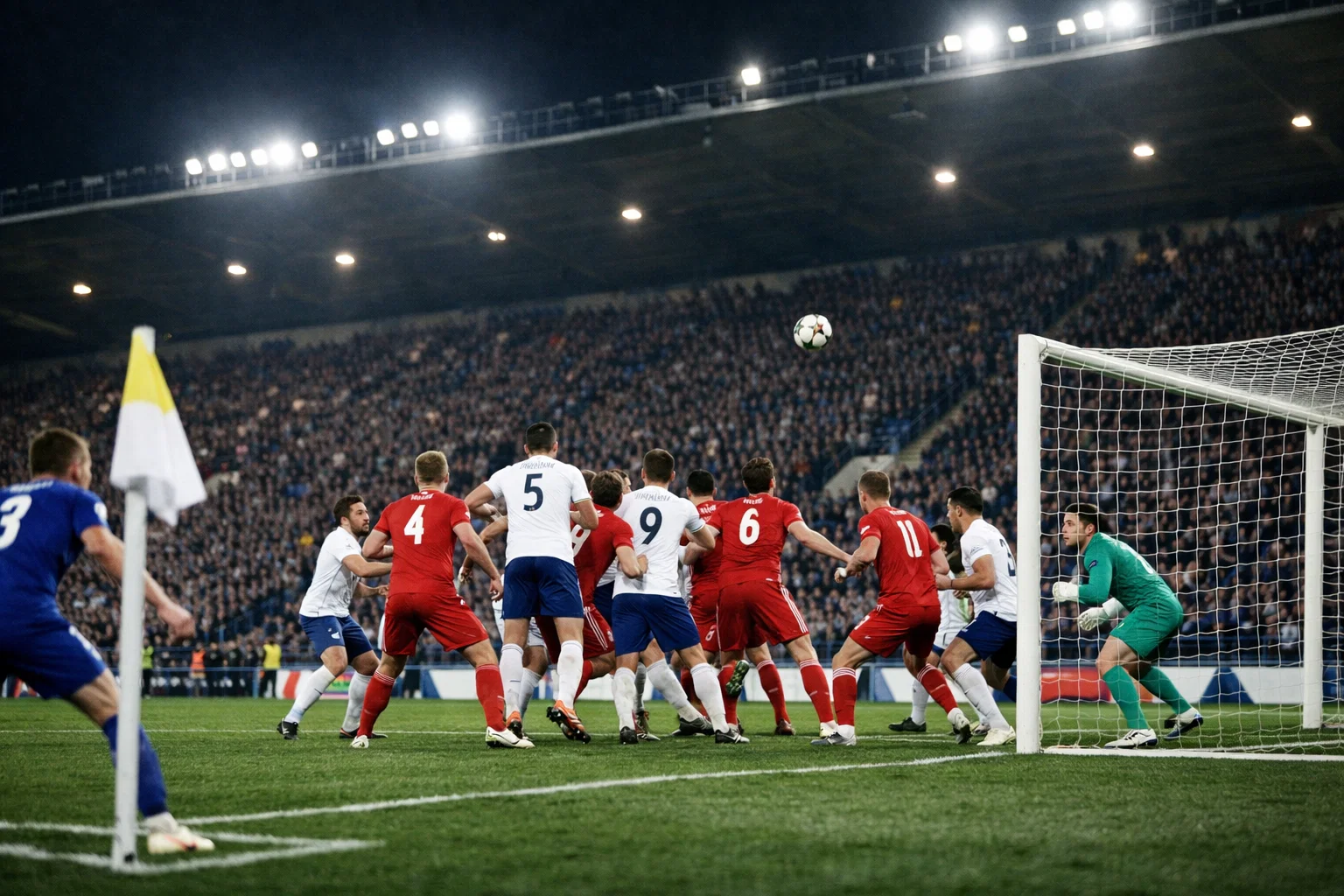
Live betting operates differently from pre-match markets in ways that affect both strategy and execution. Understanding the mechanics prevents costly mistakes and helps you exploit the unique characteristics of in-play wagering.
Real-Time Odds Explained
Live odds change constantly throughout a match in response to events on the pitch. A goal shifts every market instantaneously. The team that scored sees their match odds shorten while the opponent’s odds lengthen. Totals markets adjust based on remaining time and goals needed. Handicap lines shift to reflect the new match state.
The speed of odds movement varies by bookmaker and market. High-liquidity sportsbooks with sophisticated algorithms adjust within seconds of major events. Smaller books or less liquid markets might take longer, creating brief arbitrage windows for bettors monitoring multiple platforms. Exchanges like Betfair adjust even faster because prices are set by market participants rather than bookmaker algorithms.
Beyond discrete events like goals, live odds also drift based on match flow. Extended pressure by one team without a goal will gradually shift odds in their favor as the market prices in the probability of that pressure eventually converting. Shot counts, corner frequency, and visual dominance all influence live prices even without scoring events.
Bet Acceptance and Delays
Unlike pre-match bets that confirm instantly, live bets face acceptance delays designed to prevent bettors from exploiting information advantages. When you submit a live bet, the sportsbook holds it briefly, typically five to fifteen seconds, before confirming. If odds change significantly during that window, your bet may be rejected or offered at new odds.
These delays exist because information travels at different speeds. Someone watching a live broadcast sees events seconds before data feeds update, which is in turn seconds before casual bettors following on apps learn what happened. The delay attempts to level this playing field by preventing anyone from betting on events that have already occurred but not yet reflected in prices.
Delays are longest around significant events. In the moments after a goal, bookmakers suspend markets entirely while they reprice. Trying to bet during these suspensions results in rejected wagers. Learning to anticipate when suspensions will occur and positioning your bets before them becomes part of the live betting skill set.
Suspended Markets During Events
Markets suspend automatically when match-changing events occur or appear imminent. A player lining up for a penalty triggers suspension before the kick. A referee reaching for a card triggers suspension before the decision is visible. A clear goalscoring opportunity developing triggers suspension before the shot is taken.
Suspension duration depends on event resolution. A saved penalty might see markets reopen within thirty seconds. A VAR review for a potential red card might suspend markets for several minutes while the review proceeds. Major injuries that require extended treatment create prolonged suspensions while both teams and bookmakers assess the impact.
Successful live bettors learn to recognize suspension triggers and either act before suspension or wait patiently for markets to reopen with full information priced in. Fighting against suspensions by repeatedly submitting bets that get rejected wastes time and creates frustration.
Cash-Out Functionality
Cash out allows you to settle bets before the final whistle at a price reflecting current match state. If you backed an underdog pre-match and they take an early lead, cash out lets you lock in profit rather than sweating through the remaining minutes. Conversely, if your selection is losing, cash out offers partial stake recovery rather than a complete loss.
Cash-out prices are not pure mathematical calculations of current probability; they include a margin that benefits the sportsbook. You will almost always receive less favorable terms cashing out than you would betting the current live price directly. This margin is the cost of the flexibility and partial risk reduction that cash out provides.
The decision to cash out involves comparing the certainty of current value against the expected value of letting the bet run. Mathematical optimization often suggests avoiding cash out because the house edge on cash-out pricing exceeds the probability of the bet losing. But psychological and bankroll management considerations sometimes justify accepting worse expected value in exchange for guaranteed returns.
Best Markets for Live Football Betting

Not all markets suit live betting equally. Some markets adjust too quickly to exploit. Others present persistent opportunities for bettors processing match information effectively.
Next Goal Scorer
The next goalscorer market resets after each goal, creating fresh opportunities throughout the match. Unlike first goalscorer, which is determined early or not at all, next goalscorer remains active as long as more goals are possible. This lets you incorporate match-specific observations into player selection.
Live observations inform next goalscorer betting more than pre-match analysis can. You see which attackers are finding space, which are being tightly marked. You observe which full-backs are pushing forward and might benefit from counter-attack opportunities. You notice which team is dominating set pieces and which players are attacking delivery positions. All of this information was unknowable before kickoff.
Pricing inefficiencies appear when the market overweights recent events. A player who just missed a clear chance might see their next goalscorer odds lengthen despite their obvious involvement. A substitute entering the match might be underpriced if the market has not fully adjusted to their fresh legs and potential impact on tired defenses.
Match Result In-Play
Betting match result after kickoff allows you to see the opening tactical approaches before committing. The pre-match favorite that sets up unexpectedly defensively might offer value to back the opponent or the draw. The underdog that starts brightly might warrant support before the market fully adjusts to their performance level.
Live match result betting also captures information about conditions and atmospheres that pre-match odds cannot. A hostile crowd affecting the opponent more than expected, a pitch cutting up and neutralizing a technical advantage, a gusty wind disrupting passing patterns: all become visible only once the match starts.
The challenge is that match result odds move quickly in response to goals. If you correctly identify that the underdog is playing well but they concede before you bet, your opportunity disappears. Success requires acting on conviction before events confirm or deny your read.
Over/Under Goals Live
Live totals betting lets you assess scoring probability based on actual match tempo rather than pre-match expectations. A match that starts at frantic pace with chances at both ends might justify over bets even if totals have already shortened from opening prices. A match that settles into tactical stalemate might offer under value despite neither side scoring yet.
Timing matters enormously for live totals. As time elapses without goals, under odds shorten while over odds lengthen. This movement reflects the reduced time remaining for goals to be scored. However, the movement is not always efficient. If match flow suggests goals are coming, the over might offer value even at longer odds because the market is mechanically adjusting for time rather than fully pricing match dynamics.
Late-game totals betting is particularly interesting. Matches needing goals for tactical reasons, such as a team chasing an aggregate lead, often produce scoring flurries that the market underestimates. Conversely, matches where both teams are content with the current score tend to produce fewer late goals than raw time-based calculations suggest.
Corners In-Play
Corners betting adapts well to live wagering because corner frequency depends heavily on match state and tactics, both of which evolve throughout the match. A team chasing the game will commit more players forward, generating more attacking situations that produce corners. A team protecting a lead might concede territory but defend corners well.
Live corner betting lets you observe which teams are attacking down the wings versus through the center. Wing-focused attacks generate more corners because wide deliveries produce deflections, blocks, and saves that go out for corner kicks. Central attacks might create better scoring chances but often result in goal kicks when shooting attempts are blocked.
Tactical substitutions dramatically affect corner expectations. A manager sending on a target man and moving to more direct football increases corner probability for his team. A manager introducing a holding midfielder to protect a lead decreases corner probability overall as the match tempo drops.
Asian Handicap Live
Live Asian handicap betting incorporates match state directly into the line. A team that goes 1-0 up sees their pre-match handicap adjusted downward in live markets. If they were -0.5 before kickoff, they might become -0.5 on the live line with their goal already banked, or the market might offer -1.5 from the current state.
Understanding how to read live handicap lines is essential. A -0.5 Asian handicap in live betting typically means from the current score forward, so the team needs to outscore the opponent from this point onward. Some books offer alternative formats, so always verify settlement rules before betting.
Live handicaps create opportunities when the market over-adjusts to goals. A goal against the run of play might shift handicap lines more than match flow justifies. If the conceding team was dominating before the goal and continues dominating after, the new handicap line might offer value that did not exist pre-match.
Live Betting Strategies
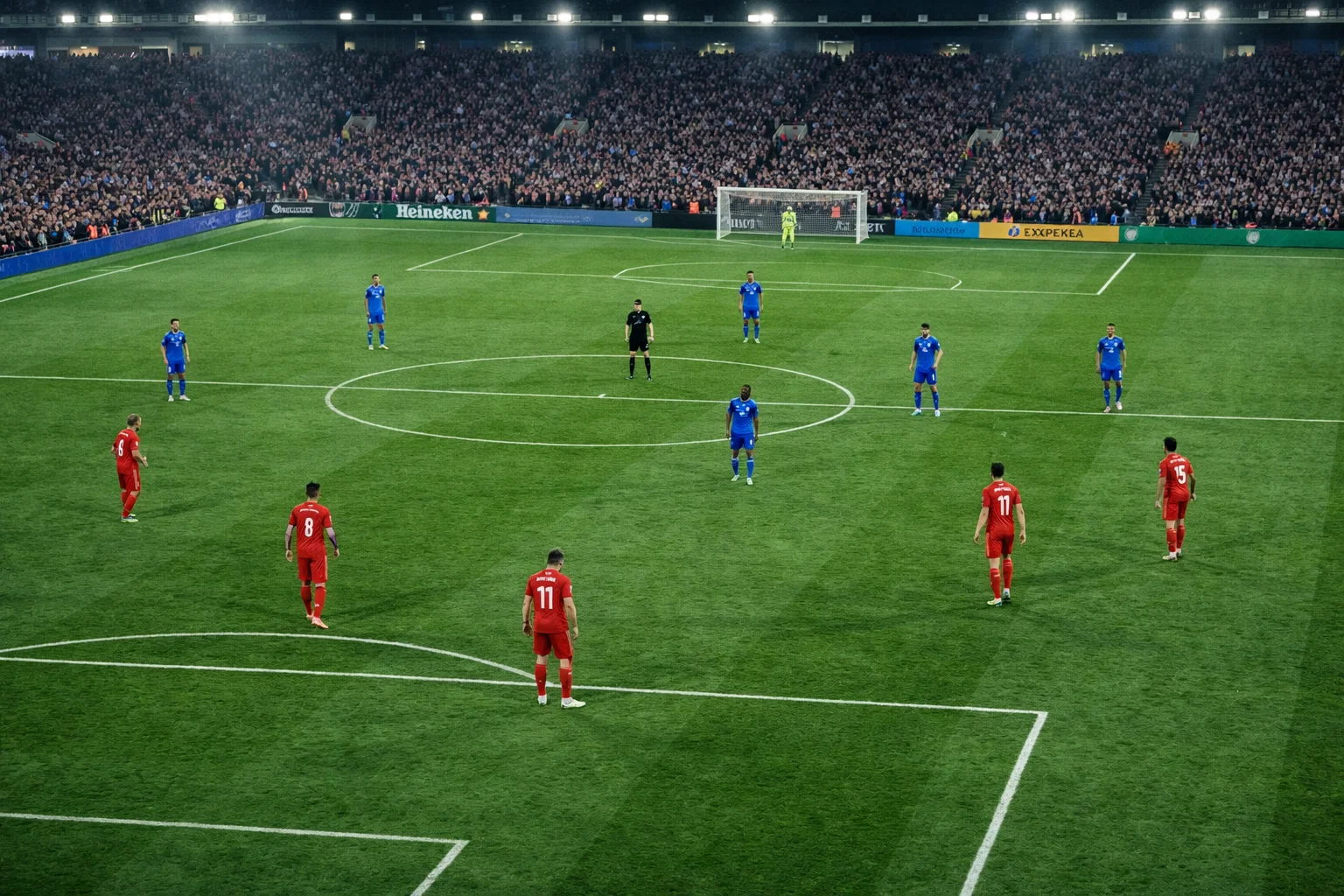
Successful live betting requires more than fast reflexes. It demands strategic frameworks for identifying opportunities and executing efficiently.
Laying the Draw Strategy
Laying the draw on betting exchanges is a classic live strategy. You bet against the draw at match start, then either close your position for profit when a goal is scored or accept the loss if the match ends goalless. The strategy profits because goals shift draw odds dramatically, creating exit opportunities.
The mechanics work as follows: you lay (bet against) the draw at odds around 3.50 before kickoff or early in the match. When a goal is scored, draw odds typically jump to 5.00 or higher depending on the time and scoreline. You then back the draw at these higher odds, locking in profit regardless of the final result. If you laid at 3.50 and backed at 5.50, the mathematics guarantee profit.
This strategy fails when matches remain goalless. Your liability on the draw keeps growing as odds shorten, and if zero goals are scored, you lose your full stake. Match selection is crucial: you want matches likely to produce goals but where the draw is reasonably priced. Avoiding matches with goalless tendencies protects against the strategy’s main failure mode.
Backing Late Goals
Statistical analysis reveals that goals per minute is not constant throughout matches. The final fifteen minutes typically produce more goals than any other period of equal length due to tired legs, desperate tactical changes, and reduced defensive discipline. Building strategy around this pattern can produce consistent value.
Late-game over bets exploit this tendency. When a match reaches 75 minutes at 0-0 or 1-1, the over market has shortened to reflect elapsed time, but the market may not fully price the elevated goal rate of closing minutes. If your analysis identifies matches likely to open up late, the over at 75 minutes might still offer value despite already-shortened odds.
Identifying matches where late goals are especially likely improves this strategy. Matches with managerial tendencies toward attacking substitutions, matches with high stakes where teams cannot accept draws, and matches where fitness differentials favor one side all suggest above-average late goal probability.
Reading Match Momentum
Momentum is difficult to quantify but visible to attentive observers. A team applying sustained pressure without scoring is building toward a goal. A team retreating deeper despite holding a lead is inviting pressure that often produces equalization. Recognizing these momentum shifts before they result in goals provides betting opportunities.
Visual indicators of momentum include territory, pressing intensity, player body language, and crowd noise. Statistical proxies include shot counts, corner counts, and possession percentage, though these lag behind visual observation. Combining what you see with what the numbers show creates a fuller picture of momentum than either alone.
Betting on momentum requires accepting that not all momentum converts to goals. A team can dominate for twenty minutes and come away with nothing. The edge lies in identifying when the market has not fully priced visible momentum, betting on the higher probability of conversion, and accepting that variance means some dominated periods will not produce the expected goals.
Red Card Reactions
Red cards create among the largest in-play betting opportunities because they fundamentally alter match dynamics. A team reduced to ten men faces dramatically reduced win probability while their opponent’s chances improve substantially. The market adjusts immediately, but the adjustment is not always efficient.
Market inefficiencies after red cards often favor the team receiving the card when the dismissal occurs early and the scoreline is level or they lead. The immediate reaction typically overestimates the impact on a team that has seventy or more minutes to reorganize. Historical data suggests ten-man teams perform better than intuition suggests, particularly well-organized defensive units capable of absorbing pressure.
Conversely, late red cards with the score level might be underreacted to by markets focused on limited remaining time. The reduced team faces intense pressure for fifteen or twenty minutes with tired legs and numerical disadvantage, often proving more damaging than early dismissals where energy reserves exist for defensive reorganization.
Key Statistics for In-Play Betting

Live statistics provide objective supplements to visual observation. Knowing which numbers matter and how to interpret them separates informed live bettors from those guessing based on incomplete information.
Shots and Possession
Shot counts indicate which team is creating opportunities, but shot quality matters more than volume. Ten shots from thirty yards suggest desperation rather than dominance. Four shots from inside the box suggest genuine threat even if none have yet found the net. Live statistics that distinguish shot locations provide more useful information than raw counts.
Possession percentage indicates territory control but not necessarily threat level. A team comfortable sitting back and countering might have 35% possession while creating the better chances. A team passing sideways in midfield might have 65% possession while threatening nothing. Context determines whether possession advantages translate to goal probability.
Combining shots, possession, and visual observation creates reliable momentum assessment. High possession, high shot count, and visible pressure suggest scoring probability even if no goals have arrived. Low possession, few shots, and visible defensive structure suggest the opposite despite what the scoreline might imply.
Expected Goals In-Play
Several data providers now offer live expected goals (xG) that update throughout matches. This metric aggregates shot quality in real time, providing an objective measure of which team is creating better chances regardless of actual conversion.
Live xG divergence from actual scoreline identifies regression candidates. If one team has 1.8 xG and zero goals while the opponent has 0.3 xG and one goal, the underlying match suggests regression toward the dominant team. Betting on that regression captures the difference between quality and outcome.
The limitation of live xG is that it measures past events rather than predicting future ones. A team that has created high xG might be tiring or face tactical adjustments. Use xG as one input among many rather than a mechanical betting signal.
Live Data Sources
Multiple platforms provide live match statistics for bettors. Sportsbook interfaces typically include basic statistics like shots, corners, and possession. Dedicated data services offer more granular information including shot maps and pressing statistics.
The best live bettors triangulate across multiple sources. Watching the match provides context that numbers miss. Statistical dashboards provide objectivity that observation might bias. Combining both creates competitive advantage against bettors using only one information source.
Latency varies between data sources. Broadcast feeds are typically delayed by several seconds. Official data feeds used by bookmakers update faster. Being aware of which sources you access and their relative latency helps you understand when you have information advantages.
When wagering in-play, always consider the weather impact on football betting, as sudden rain or wind can drastically alter the match tempo.
Cash-Out Strategy
Cash out is a tool that live bettors must understand even if they choose to use it sparingly. Knowing when cash out serves your interests versus when it extracts unnecessary value helps preserve bankroll.
When to Cash Out
Cash out makes sense when new information suggests your original bet is no longer value. If you backed a team and their key player gets injured, the probability underlying your bet has shifted. Cashing out crystallizes value that would otherwise erode. The house edge on cash out is a cost worth paying to exit a position that no longer represents your assessment.
Cash out also makes sense for bankroll management reasons that override pure expected value. If a winning cash out would represent a meaningful portion of your bankroll, securing that outcome rather than risking it on remaining match time might be optimal for long-term bankroll growth even if mathematically inferior in isolation.
Cash out rarely makes sense simply because you are nervous about the remaining time. Nervousness is an emotional state unconnected to probability. If the probability assessment underlying your original bet remains valid, nervousness does not justify accepting worse expected value through cash out.
Partial Cash-Out
Partial cash out lets you settle part of your bet while leaving the remainder active. This provides flexibility to lock in some profit while retaining upside. If you backed an underdog who takes an early lead, partial cash out might guarantee profit regardless of outcome while still benefiting if your selection holds on.
Partial cash-out pricing typically carries the same proportional margin as full cash out. You are not getting better terms by taking partial; you are simply splitting your decision across two portions of stake.
Strategic use of partial cash out involves identifying situations where guaranteed partial profit plus remaining equity exceeds your confidence threshold. This is inherently personal rather than mathematically optimizable.
Live Betting Mistakes to Avoid
Live betting amplifies both good and bad decision-making because of its speed. Mistakes that would be recoverable in pre-match betting can cascade rapidly in live markets.
Chasing Losses In-Play
The most destructive live betting behavior is chasing losses during a match. You lose a bet, immediately place another trying to recover, lose that one, escalate further, and destroy your bankroll within ninety minutes. The speed of live betting makes this spiral faster and more dangerous than in other betting contexts.
Chasing losses stems from emotional response to losing rather than rational assessment of new opportunities. The fact that a match is ongoing creates the illusion that recovery chances are immediately available. But hasty bets made from emotional distress rather than analytical clarity are rarely value bets. They are desperation gambles dressed in betting language.
Prevention requires pre-commitment to loss limits within individual matches and absolute discipline in honoring those limits. Decide before kickoff how much you are willing to risk on in-play betting for that match, and stop when that limit is reached regardless of opportunities that appear to present themselves.
Over-Betting on Momentum
Momentum is real but often overstated in its immediate conversion probability. A team dominating possession and creating chances feels like they will score any moment, but that feeling is not a reliable guide to betting timing. Over-betting during momentum phases that do not convert destroys bankroll even when the underlying read is correct.
The solution is not to ignore momentum but to be disciplined about stake sizing when betting on it. If you identify genuine momentum, bet an amount appropriate to the probability, not the emotional intensity of what you are watching. A team pushing for an equalizer might have 40% chance of scoring in the next fifteen minutes, which deserves modest stakes rather than concentrated positions.
Momentum bets work across many samples, not individual instances. Accepting that some momentum periods will not produce goals while maintaining discipline to keep betting appropriately sized momentum opportunities across many matches produces sustainable profit. Trying to win big on any single momentum period produces volatility that eventually lands badly.
Ignoring Context
Live betting requires contextual awareness that pure statistics cannot provide. A team at 2-0 in a dead rubber match has different incentives than a team at 2-0 protecting a title challenge. Both scorelines are identical statistically but represent entirely different match dynamics.
Manager behavior provides crucial context. A manager making defensive substitutions signals willingness to protect a lead. A manager leaving attacking players on while leading suggests continued ambition. A manager rotating players in meaningless matches suggests reduced intensity affecting probabilities in ways raw statistics miss.
Competitive context matters for late-game scenarios. A team needing a draw to avoid relegation will defend very differently than a team playing for pride. Promotion battles and top-four races create incentive structures that affect how teams approach closing stretches.
Technology and Live Betting
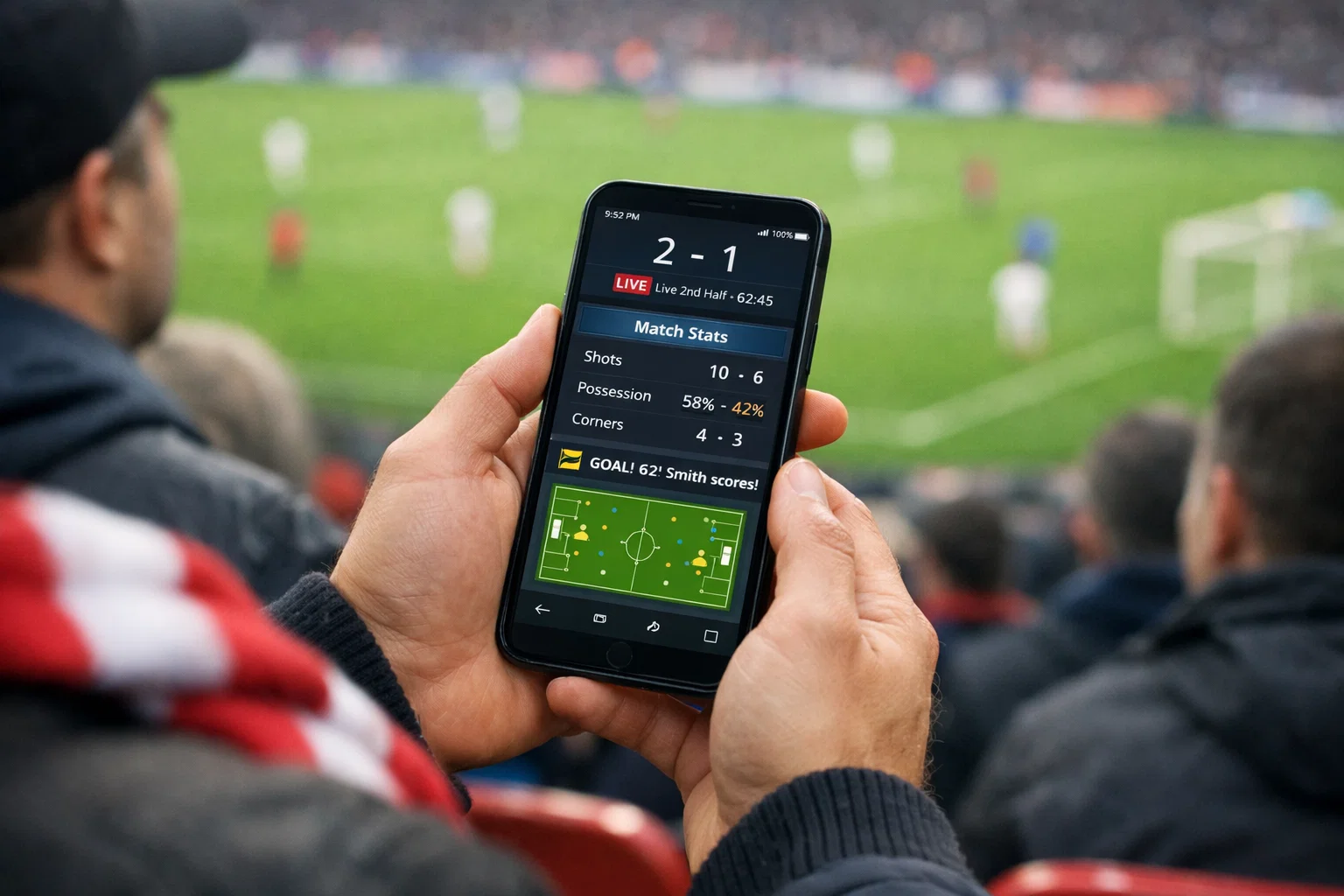
Modern live betting is inseparable from the technology that enables it. Understanding your technological setup and its limitations helps you execute effectively.
Streaming and Watching
Live streaming through sportsbook platforms lets you watch matches while betting, but stream latency means you are always slightly behind real-time action. Events you see on stream have already happened, and markets may have already adjusted. Streaming is useful for overall match awareness but should not be confused with real-time information advantage.
Watching matches through lower-latency sources provides timing advantages. Satellite television broadcasts typically have less delay than internet streams. Being seconds ahead of other bettors can make the difference between capturing value and arriving after prices have moved.
The practical reality for most bettors is that they will not consistently beat market latency. Instead, focus on analytical edges, reading match dynamics better than the market rather than simply seeing events before prices adjust.
Mobile Betting Advantages
Mobile betting allows in-play wagering from anywhere you can watch football. This flexibility means you can watch matches with full attention rather than splitting focus between television and computer screen.
Mobile apps typically offer streamlined interfaces optimized for live betting speed. Quick bet options, saved selections, and simplified bet slips reduce execution time. If live betting is significant to your approach, becoming proficient with mobile execution is worthwhile.
Connectivity reliability matters for mobile live betting. A lost signal at the wrong moment means missed opportunities or bets stuck in acceptance limbo during crucial market movements. Having backup connectivity options prevents frustrating technological failures.
Conclusion
Live football betting offers opportunities unavailable in pre-match markets, but those opportunities come with elevated demands. You must process information faster, execute decisively, and maintain discipline under time pressure. The bettors who thrive combine analytical foundations with technological proficiency and emotional control.
Start with markets you understand and can monitor effectively. Next goalscorer and live totals are accessible entries into live betting that do not require split-second execution. As you develop comfort with live dynamics, expand into more timing-sensitive strategies.
Protect yourself by establishing strict loss limits per match and per session. The speed of live markets makes bankroll destruction possible within hours. No analytical edge survives if poor discipline allows emotional chasing to overwhelm rational betting.
The growth of live betting shows no signs of slowing. Bettors who master in-play wagering today position themselves for markets that will only grow more sophisticated and liquid in coming years.
Track real-time odds shifts and momentum changes with the premier football betting resource.
